
De-Influenced Girl Summer
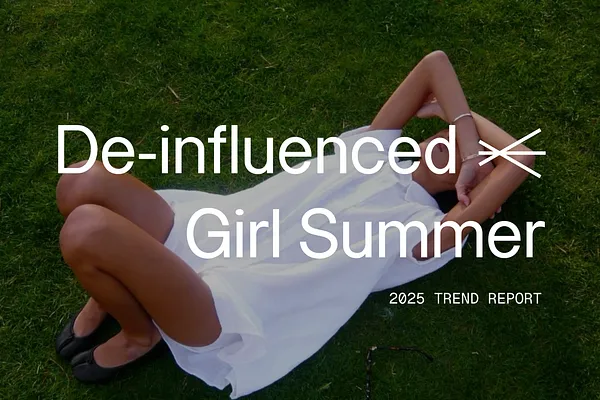
After seasons of curated aesthetics from Barbiecore to brat summer, a new energy is emerging: De-Influenced Girl Summer — no theme, no soundtrack, just her. This report explores why Gen Z is stepping back from aesthetic churn, driven by economic pressures, algorithm fatigue, and a desire for autonomy over performance. The data reflects the shift: basic long sleeves (up 43%), beige (up 19%), and pastels (up 20%) are rising while hot pink declines and logomania falls 28%. From the Met Gala's reserved palettes to influencers championing intentional shopping, the trend signals a cultural pullback from overstimulation — where individuality becomes the aesthetic itself.
.jpg)
Marta Sron
"De-Influenced Girl Summer reflects Gen Z’s retreat from algorithm-driven aesthetics, prioritising self-direction, authenticity, and emotional clarity."
Summer is an aesthetic already. But, simply Hot Girl Summer? Not enough anymore.
For the past two summers, we’ve lived through distinct aesthetic eras: Barbiecore and brat summer. Each one came with a colour palette, a Spotify playlist, and a promise – belong, and you’ll feel something. Hot pink and retro-inspired, feminine silhouettes were an entry ticket to girlhood and inclusion. Neon green with edgy graphic tees and heavy textures, on the other hand, offered a rebellion. They came trickling down from films, albums, and press tours. A movie sold a doll, a doll sold a summer. Charli XCX tried to pass the torch to a new band, a new mood – and while some claim that Lorde summer is upon us, something didn’t catch.
Because this summer, instead of a soundtrack, needs a break.
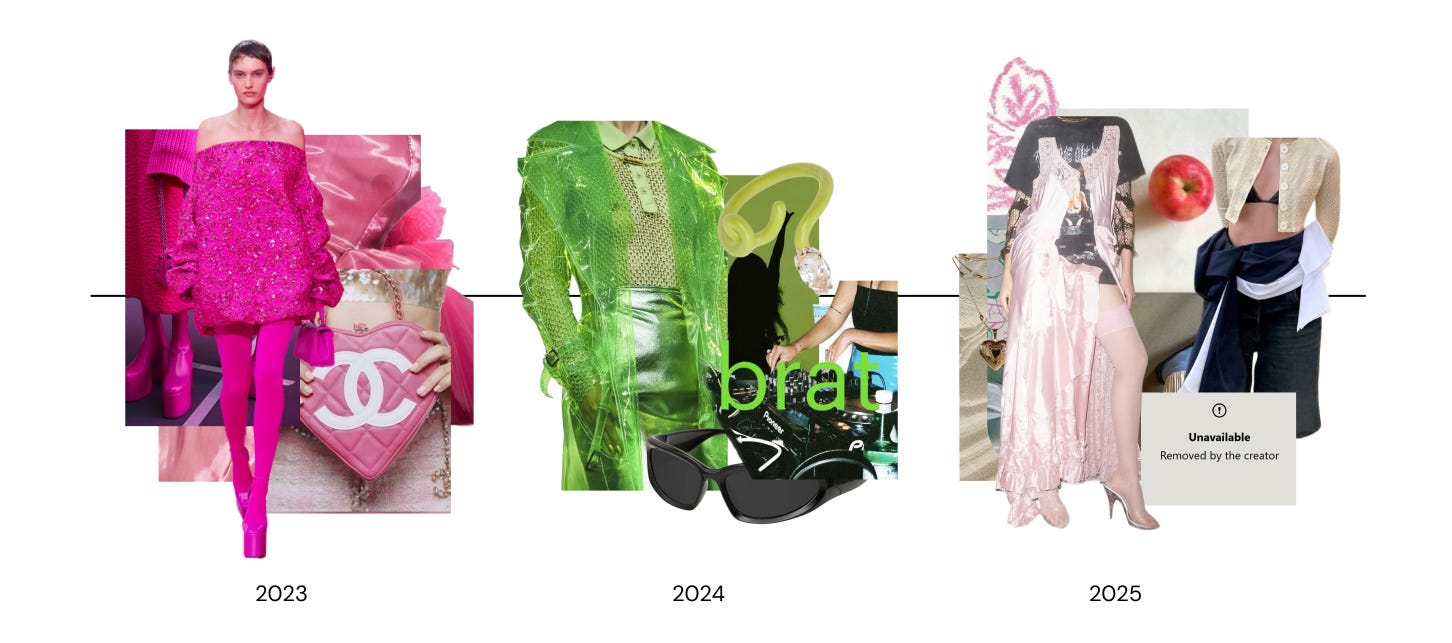
The Rise and Fall of Aesthetic Summers
After seasons of curated aesthetics, a new energy is emerging. No drop. No caption. No theme. Just her.
She skips the TikTok hauls and microtrends. She wears what works. She’s not opting out for the sake of rebellion; she only follows what serves her. And while the world seems to be taking a step backwards politically, economically, and environmentally, the next girl moves forward.
She’s choosing what feels honest. And that choice? It’s personal. It gives her a sense of control.
After summers of curated aesthetics, she’s living her own, grounded in the economy, psychology, and fashion of self.
Economy of De-Influenced
The recent Today, Explained episode on personal style discusses how the fashion pendulum has swung from a set of rules on how to dress for different body shapes, seasons, and occasions to one simple principle: “wear the f* you want”.
But is it that simple?
The abundance of new social media aesthetics and influencer-driven style inspiration can quickly become a barrage so heavy that it’s impossible to discern what really resonates with you. True personal style comes from self-awareness – and when there is so much noise at our fingertips, the sheer volume of what you could possibly become turns personal style into a confusing experiment.
The widening gap between this reality and one painted by lifestyle influencers who advertise gifted luxury fashion items creates further distrust, giving way to de-influencing. In a time of economic pressure and anxiety, when inflation and living costs rise, influence without authenticity doesn’t sell.
Instead of the next FYP trend, individuality becomes the aesthetic itself.
Psychology of De-Influenced
The De-Influenced Girl Summer is a return of individuality in a new package.
But why does her “basic” suddenly feel radical?
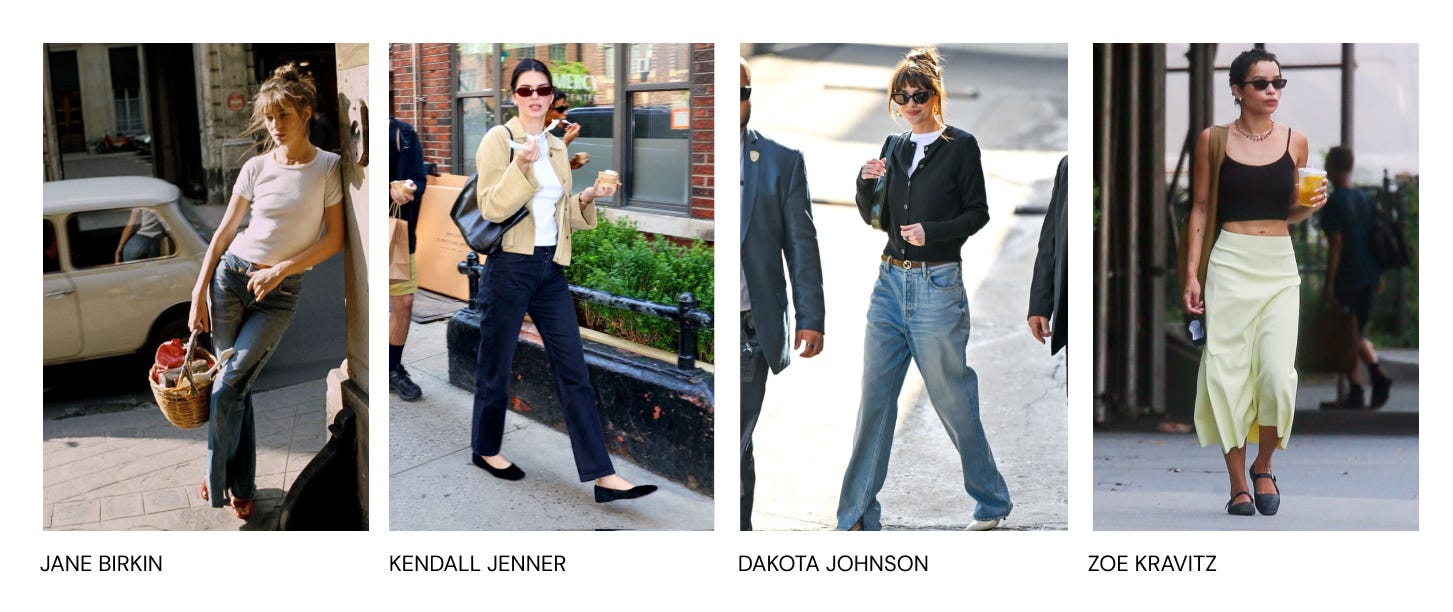
Because predictability is soothing, and comfort is control. Opting out of aesthetic churn is its own kind of elegance. Her basic is not running away from current trends; it’s a reflection of knowing herself. According to Self-Determination Theory, people thrive when they act from a place of autonomy – when choices come from within rather than being shaped by outside pressures.
Following trends can feel fun until it starts to feel like performance. Letting go of that performance restores a sense of control. Minimalist psychology and identity research suggest that people increasingly define themselves by what they don’t consume. While algorithms urge her to want more, choosing less becomes a form of self-definition.
There’s relief in not performing.
Maybe basic didn’t change. Maybe she did.
There’s some market evidence for that, too. Brands like Hermès that have prioritised brand over the next viral trend excel financially. Amplifying the Birkin halo and staying true to their brand DNA instead of chasing momentary hype, Hermès has now surpassed LVMH in market value. Perhaps, focus, craftsmanship, and principled positioning are still winning in the long term.
Fashion of De-Influenced
Jeans that fit. Favourite sweater. Sandals that are reliable, not relevant. The loud stiletto silhouette? Replaced by a silent flat. Her confidence doesn’t come from high heels, but from feeling comfortable in her own skin. Maybe she wears a new butter yellow t-shirt, but not because Jacquemus told her to.
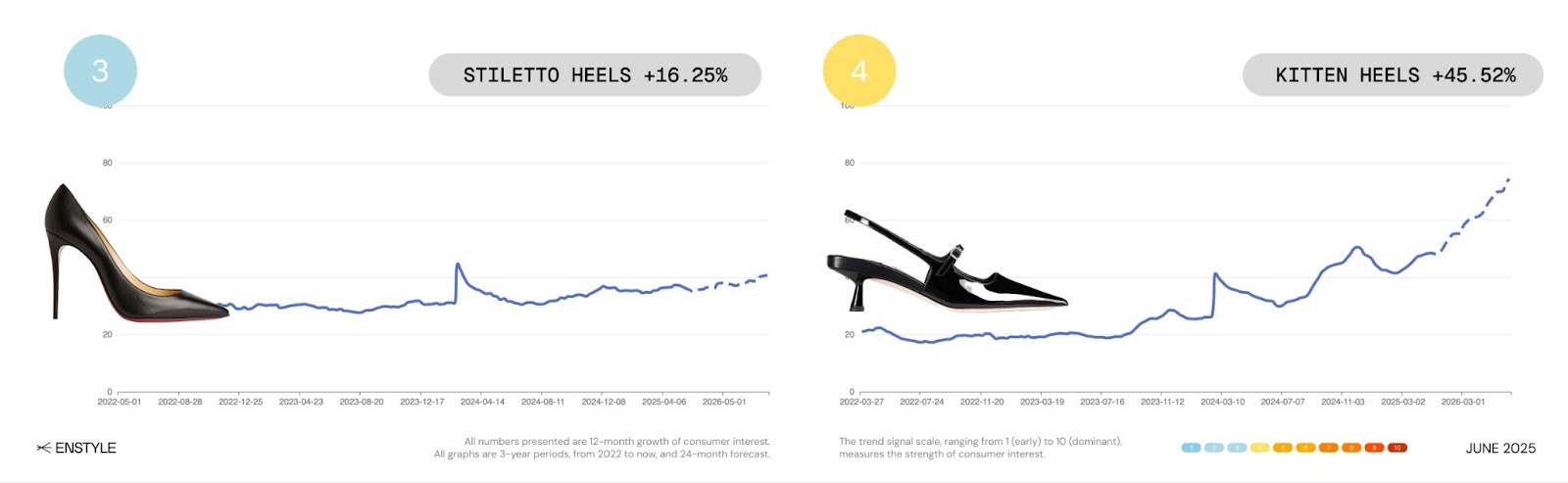
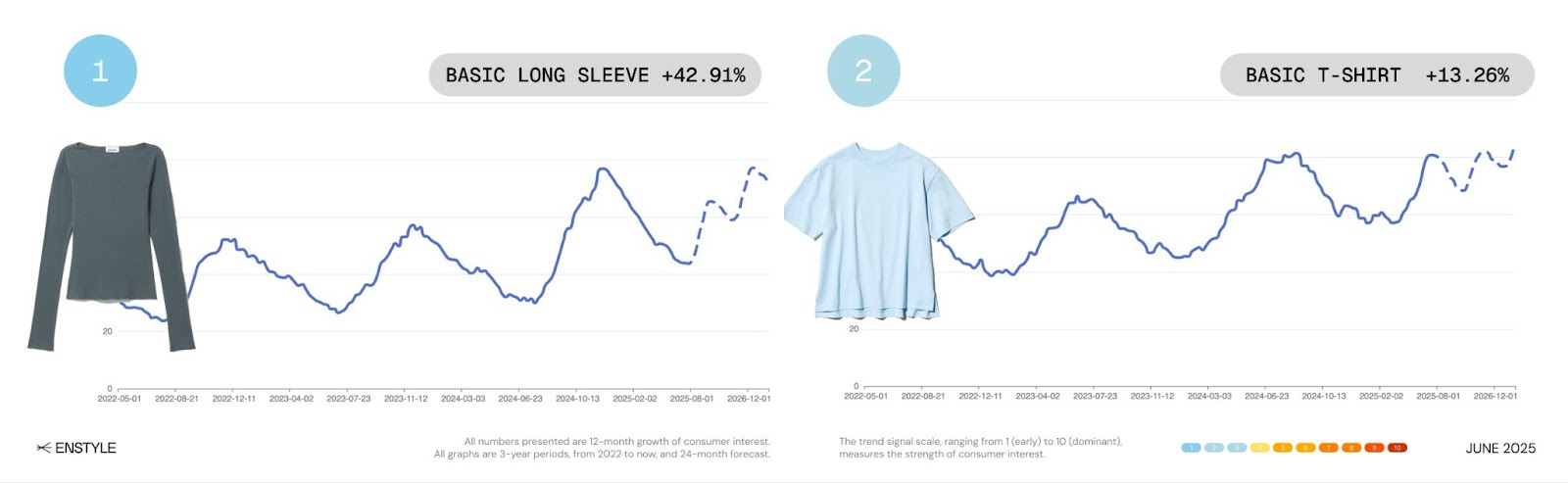
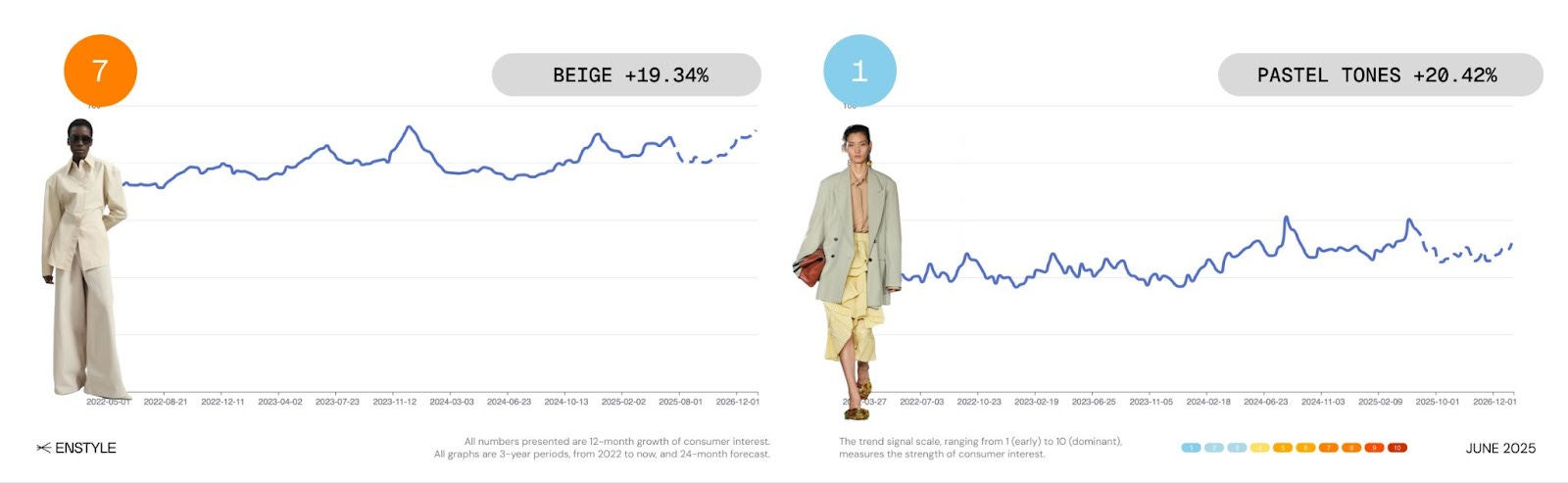
The signals are everywhere. Basic long sleeves and t-shirts are steadily rising in popularity, with a respective increase of 42.91% and 13.26% in consumer interest over the last year.
There’s a versatile, multi-occasion, day-to-night nature to her style.
Contrary to hot pink (-2.52%) and lime green (+3.65%) that didn’t develop into a long-term force, beige (+19.34%) and pastel tones (+20.42%) are forecasted to dominate not just this summer but stretch across the next few seasons.
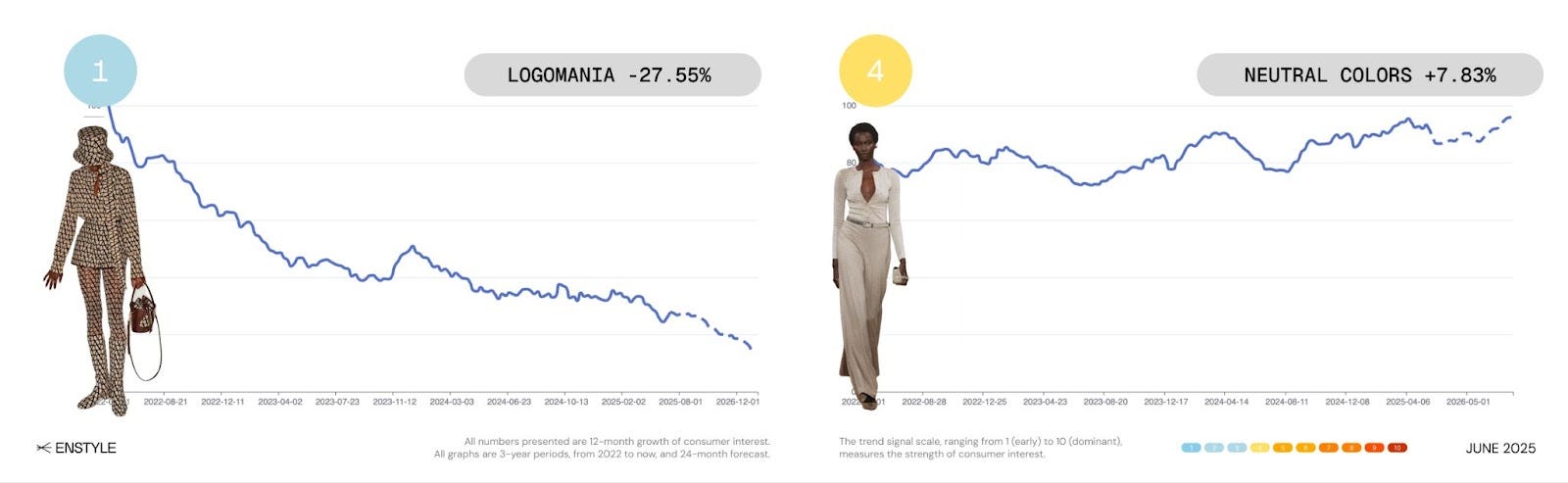
Additionally, echoing the quiet luxury and old money influences, logomania is losing relevance (-27.55%) whilst the preference for neutral colours (+7.83%) grows.
This summer isn’t about building a cohesive aesthetic or dressing for attention. It’s about finding her style, despite micro trends. From vintage finds to calculated choices from the mass market, she is building a capsule wardrobe that matches her personality, complements her body type, and works for seasons ahead.
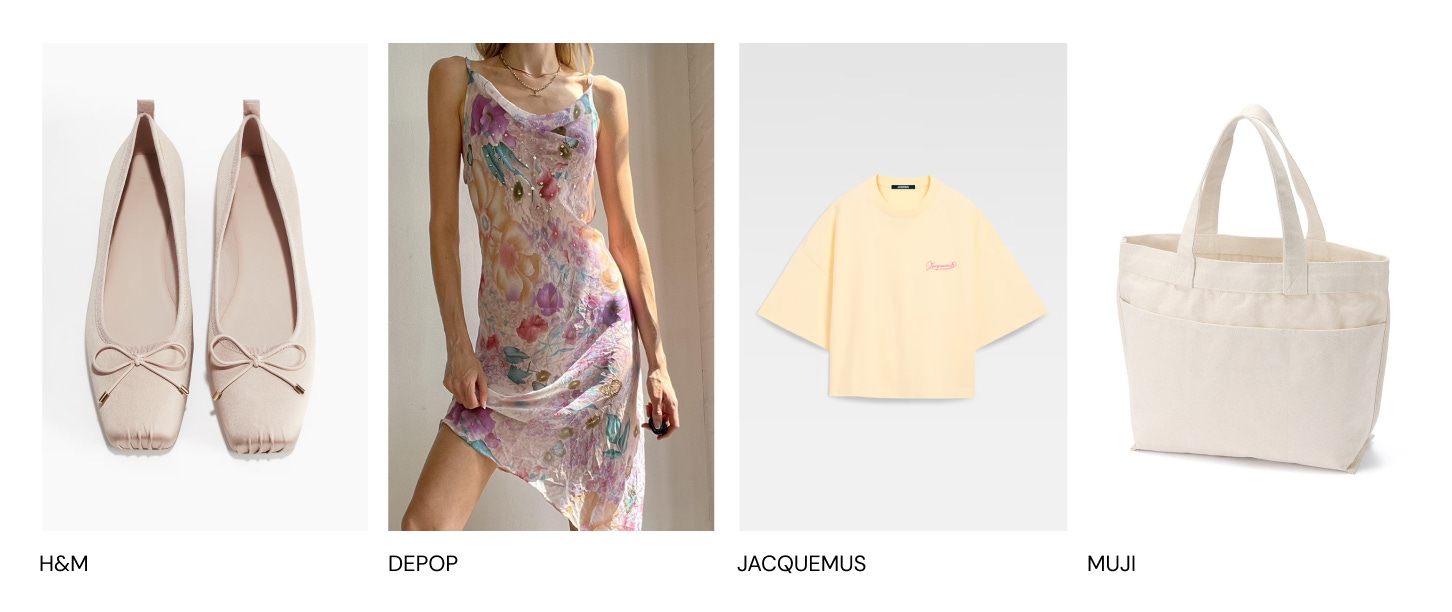
Her fashion is her taste. Some might call it “boring.”
She calls it: freedom, a casual Tuesday, getting dressed for no one but her.
Honestly? She doesn’t even care what you call it.
The Broader Shift
Culture is pulling back from overstimulation. Less noise, more intention. Quiet hobbies. Fewer parties, more dinners. Less small talk, more depth.
At the Met Gala 2025, themed around tailoring, 84% of outfits leaned into black, white, brown, or grey. Most guests chose reserved, timeless shapes that celebrated their natural curves rather than chasing extravagance or opting for spectacle.
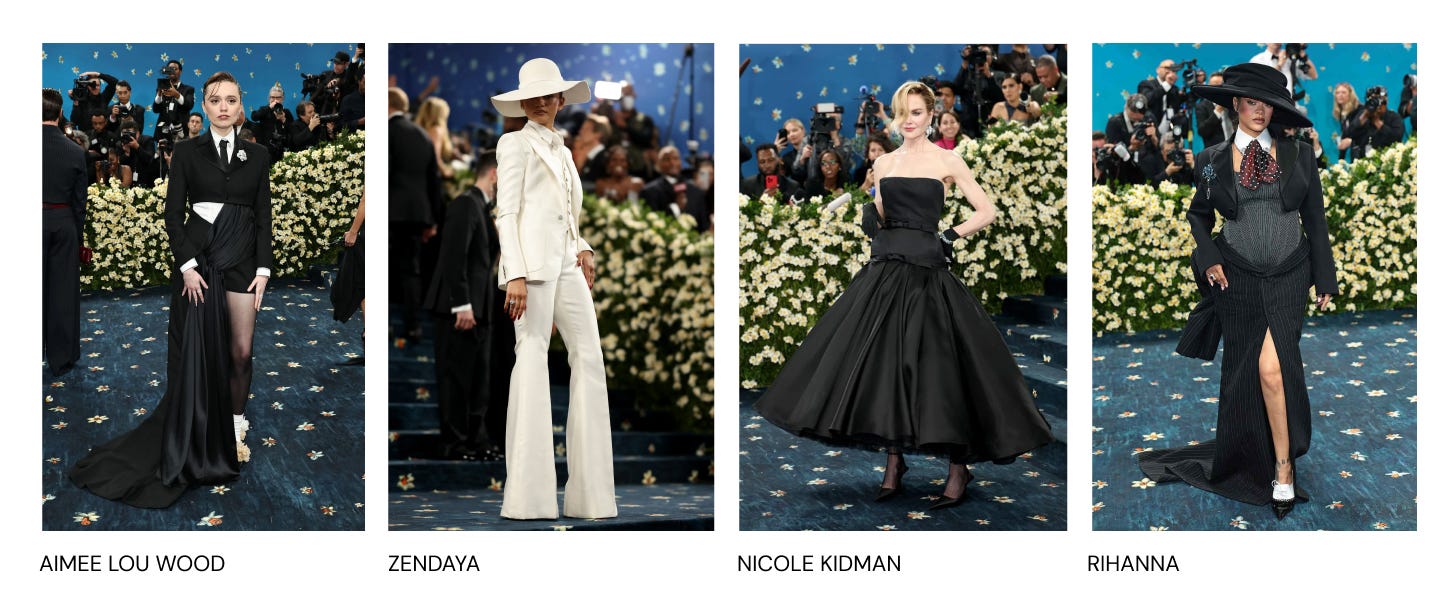
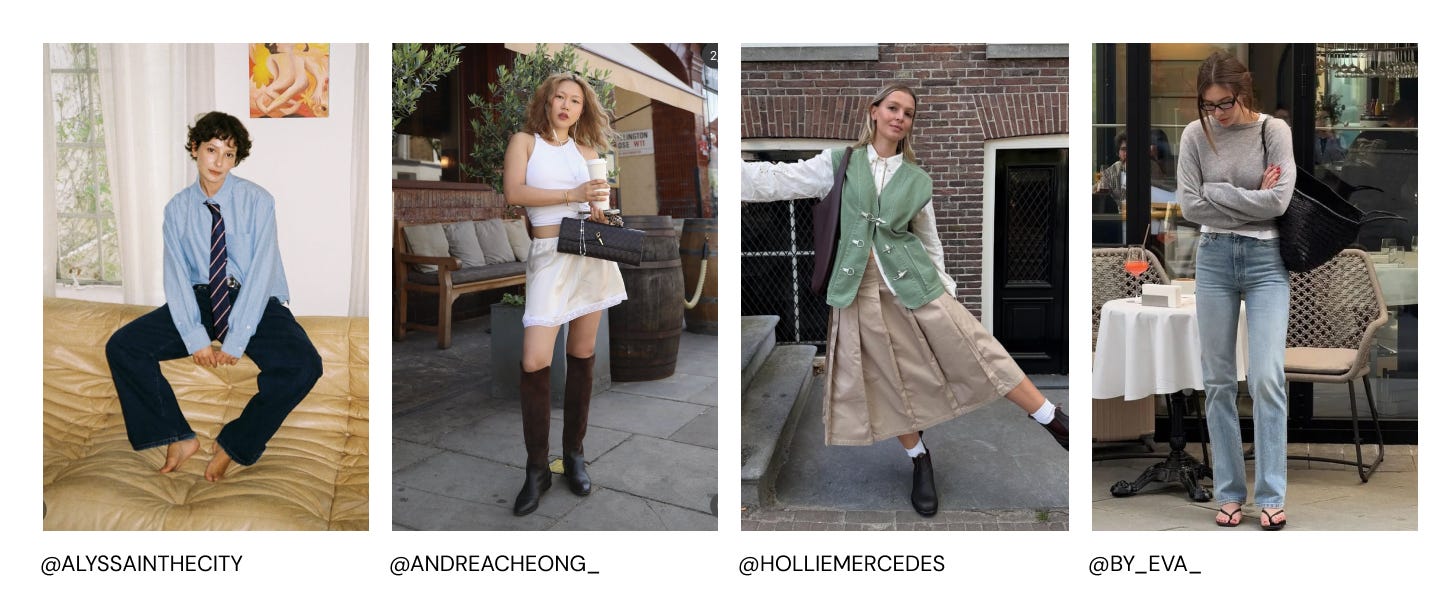
But this pullback from visual overstimulation isn’t limited to red carpets. On Instagram, influencers like Alyssa Coscarelli are leaning into sustainable basics and non-aesthetic aesthetics, while Andea Cheong is on a mission to educate her community on more intentional shopping and aftercare sewing practices through her Mindful Monday Method and regular fabric and construction reviews of mass-market brands.
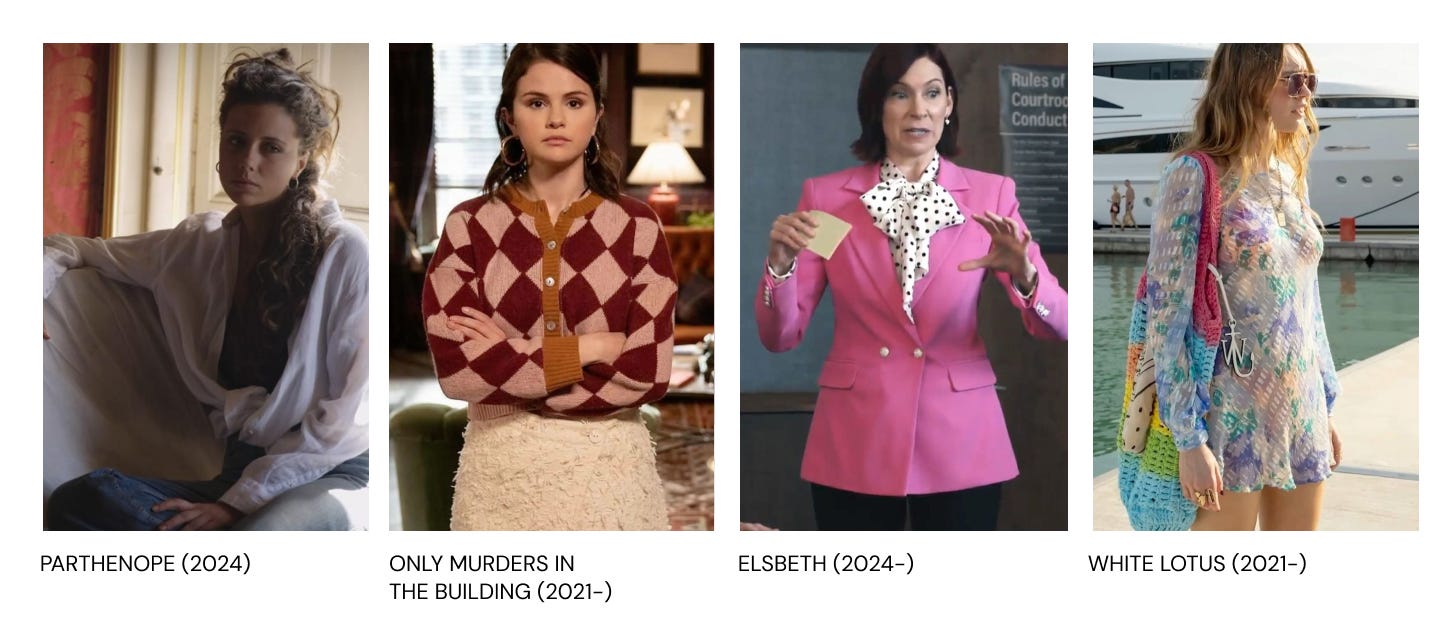
In the silver screen culture, films like Parthenope (Sorrentino, 2024) and Poor Things (Lanthimos, 2023) celebrate female characters with individual flair over idealised roles and fashion tropes. The appeal of style has shifted from outward to inward, and we see this in the characters of Mabel Mora (Selena Gomez) in Only Murders in the Building, Elsbeth Tascioni (Carrie Preston) in Elsbeth, and Chelsea (Aimee Lou Wood) in The White Lotus. Wrapped in oversized coats and thrifted textures, Mabel’s wardrobe is never a disguise, but always a highlight of her quiet confidence and introspection. Elsbeth, with her inquisitive nature and faith in the good that challenge the status quo, also challenges the traditional fashion rules, leaning into her distinctive style with bright colours and patterns, bows, fun hats, and massive tote bags. The eclectic wardrobe of Chelsea, a free spirit with unwavering optimism, love, and loyalty, is made up of vintage pieces, ethereal mini dresses, and crochet beachwear.
Aimee Lou Wood is the de-influenced girl in real life, too. From refusing the Hollywood pressure to fix her teeth and embracing her uniqueness on- and off-screen, she rose as a symbol of self-acceptance and strong individuality.
This shift reflects a broader generational mood. Gen Z is tired of performing. They’ve inherited overstimulation, infinite choice and constant visibility, and while the desire to be seen is still there, the rules of visibility have changed. Or they are returning to the OG blogging of an early-2000s internet we already know, with platforms like Tumblr seeing a month-on-month surge in popularity amongst Gen Zers and Substack becoming the main destination for fashion girls and creators alike for a more curated, intimate, and engaged conversation.
Perhaps, the cancellation of London Fashion Week 2025 this summer is an echo of that same cultural recalibration. Performance for performance's sake is no longer relevant, and trend-chasing is losing traction. Gen Z doesn't want more content. They want more meaning.
Therefore, ironically, the de-influenced girl is quietly dictating a slowdown.
That’s why being de-influenced is so powerful.
How Brands Can Respond
Although de-influenced, she is not de-informed, and brands can still tap into this shift.
She doesn’t respond to urgency or momentary hype, so impulsive communication fails. She sees straight through FOMO marketing and performance-driven content. She’s not interested in aesthetics that exist solely to go viral. She isn’t anti-brand, but she is, for sure, anti-bullsh*t.
She still shops. She still scrolls. She still engages, but what will go through her filter is much more rigorous.
What will resonate?
In product lines, brands that commit to a recognisable style that holds steady across seasons while adopting commercial trends through their lens will feel more relevant. Whether it’s a silhouette, a styling detail, or a recurring fabric story, it allows room for newness without losing brand integrity and identity. Consumers are paying closer attention to what brands say and how consistently those values show up in their product decisions. Sustainability, ethics, and inclusivity are the basic minimum.
As Michaela Leitz, size-inclusive fashion expert and our early user at Enstyle, says:
“People want to feel seen, not styled. The most impactful looks are no longer about “what’s in” but what feels like me. We’re seeing a shift from trend-led dressing to intentional expression, where garments become part of someone’s inner narrative, not just their wardrobe. Tailored fits have become non-negotiable. The demand has shifted from “Will it fit?” to “Does it honour my body?”
In communications, authenticity – and authentic community engagement – wins above all.
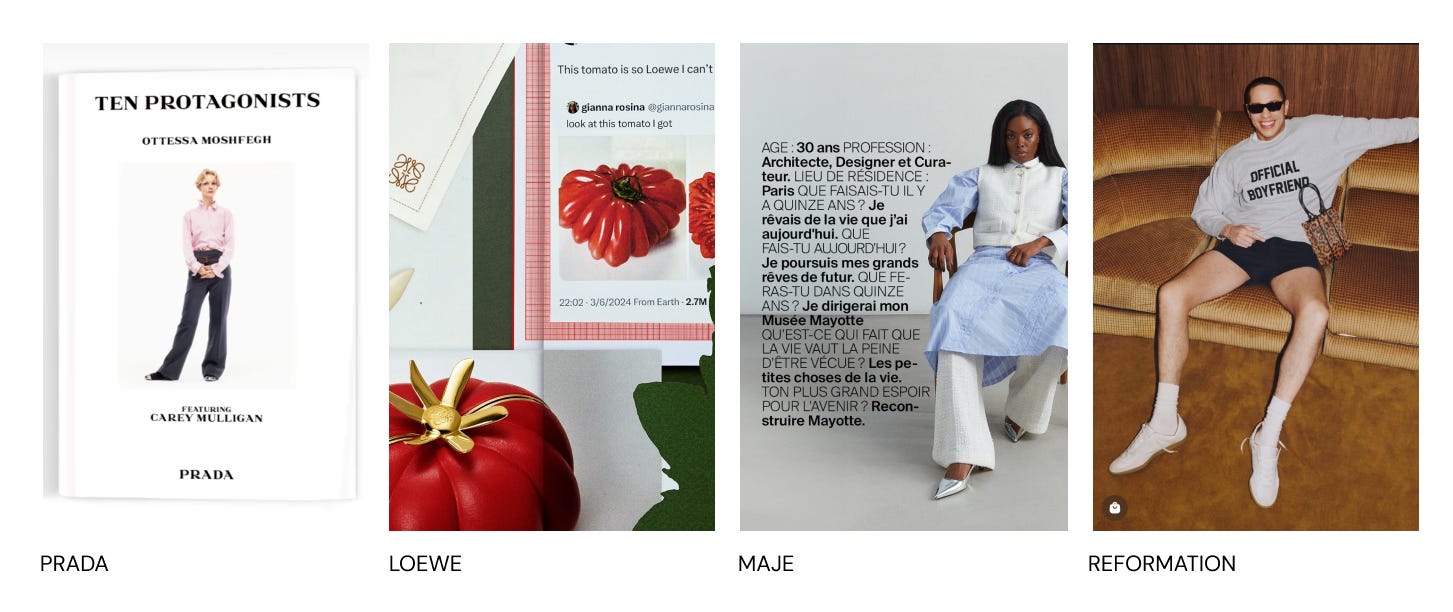
Think Prada’s editorial storytelling. By naming characters and crafting distinct personalities, Prada builds a unique narrative that audiences can follow and emotionally connect with. This human-centred approach then leads to enhanced trust and better following.
Or think Loewe’s creative reflex. The viral tomato clutch bag, followed by the “great tomato balloon”, emerged from a playful community comment turned meme – reinforcing Loewe’s position as both culturally attuned and creatively fearless.
Then there’s Reformation, whose voice is equal parts self-aware, cheeky, and refreshingly honest. From hard-launching Pete Davidson as “the perfect boyfriend” to making an email newsletter that its consumers actually read, the brand knows how to insert itself into the cultural conversation.
De-influenced isn’t about tuning out – it’s about tuning in. To herself, to her values, to what truly feels aligned. And those who listen closely now will be the ones still heard tomorrow.
De-influenced is a real reset. This summer, it’s quietly taking over.
Stay ahead of fashion shifts
A monthly thread on fashion trends, planning insight, and how AI is shaping design, merchandising, and buying decisions. Written for fashion teams who want clarity, not noise.